
The psychology behind risk-taking in gambling environments
The allure of uncertainty
Risk-taking in gambling environments often stems from the allure of uncertainty. The unpredictability of outcomes creates an exciting atmosphere that captivates players. This unpredictability can trigger a release of dopamine in the brain, a neurotransmitter associated with pleasure and reward. Consequently, individuals may feel compelled to gamble as they chase the euphoric highs linked to potential wins, despite the inherent risks involved. Many people are drawn to options like 1win for their thrilling experiences.

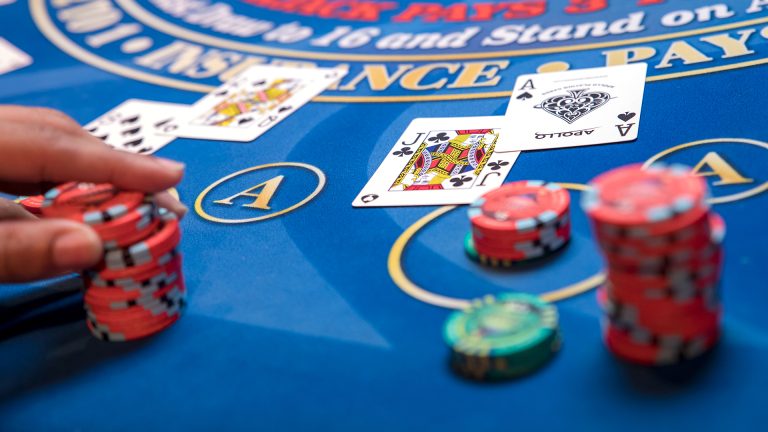
Moreover, this craving for excitement can be magnified in both online and brick-and-mortar casinos. In physical locations, the sensory experiences—like sounds, lights, and the social environment—can enhance the thrill. Online platforms leverage technology to simulate these sensations, making it easy for players to get caught up in the moment and take risks they might avoid in their everyday lives.
The role of cognitive biases
Cognitive biases significantly influence risk-taking behavior in gambling. Many players fall victim to the illusion of control, believing they can influence the outcome of games of chance. This misconception leads to an increased willingness to engage in high-risk bets. Similarly, the gambler’s fallacy can prompt individuals to continue betting based on previous outcomes, convinced that they can predict future results.
These biases are prevalent in both online and brick-and-mortar environments, albeit in different ways. In physical casinos, social interactions may amplify these cognitive distortions as players discuss strategies and share experiences. Conversely, online gambling platforms can create echo chambers where players reinforce each other’s misconceptions, making them more inclined to gamble recklessly.
Emotional factors at play
Emotions play a crucial role in gambling decisions, often overshadowing rational thought. Many gamblers experience a rush of adrenaline during gameplay, which can lead to impulsive decisions. These emotions can be heightened in competitive environments, whether in person or online, encouraging players to take risks they would otherwise avoid.
Additionally, mood states can heavily influence gambling behavior. For instance, those experiencing stress or anxiety might turn to gambling as an escape, increasing the likelihood of risk-taking. The immediate gratification of winning can provide temporary relief from negative feelings, further entrenching the gambling habit.
The impact of social dynamics
Social dynamics are integral to understanding risk-taking in gambling. In brick-and-mortar casinos, the presence of fellow gamblers can create a communal atmosphere that encourages higher stakes and riskier bets. The desire to fit in or impress others can lead individuals to engage in behaviors they might typically avoid when gambling alone.
In contrast, online gambling offers anonymity, which can have dual effects. While some players may feel liberated to take risks without social judgment, others might feel isolated, leading to reckless behavior. Social media and online forums can amplify this effect, creating a culture where excessive risk-taking is normalized among peers.
1Win: A modern gambling experience
1Win exemplifies a contemporary online casino environment that capitalizes on the psychological aspects of risk-taking. With a diverse array of over 10,500 games, players can experience the thrill of gambling in a secure setting that mirrors traditional casino excitement. The platform is designed to enhance player engagement, utilizing strategies that cater to both emotional and cognitive factors.
By offering features such as a generous welcome bonus and 24/7 customer support, 1Win aims to provide an enjoyable and convenient gambling experience. The platform not only appeals to players seeking excitement but also addresses the need for responsible gaming, ensuring that players can enjoy their experience while being mindful of the inherent risks involved in gambling.